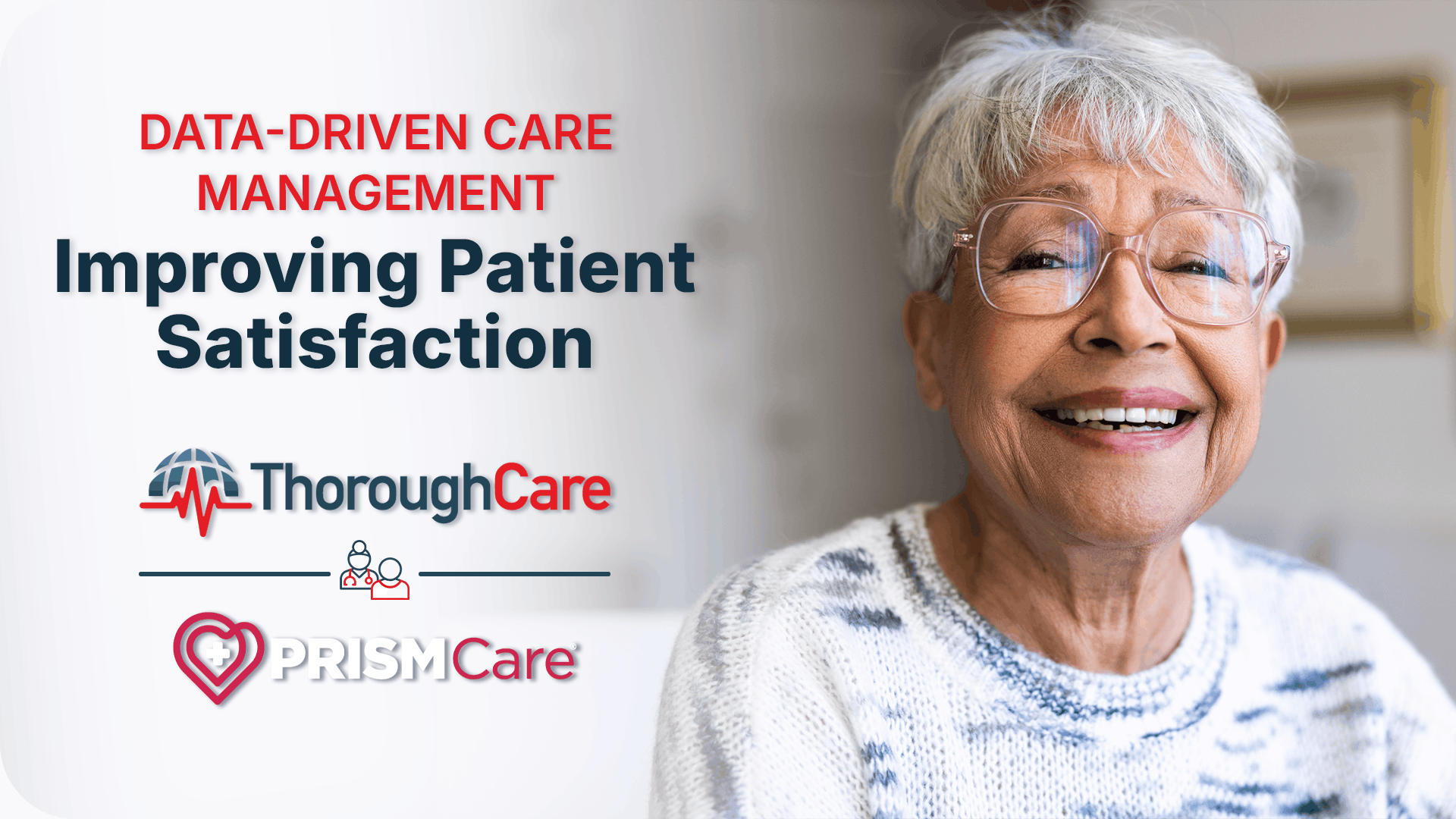

Patient satisfaction is one of the most important measures of success for healthcare organizations. Positive patient experiences can strengthen relationships, improve engagement, and help healthcare providers deliver more effective care. But understanding what drives patient satisfaction, and knowing how to improve it, requires more than collecting feedback. It requires actionable data and the ability to continuously refine care management workflows.
For Prism Care, improving patient satisfaction has been a long-term priority. Through its partnership with ThoroughCare, the organization has been able to better understand patient satisfaction metrics, identify opportunities for improvement, and make meaningful changes to its care management processes.
According to Kerry Brooks, CEO of Prism Care, the results have been significant: patient satisfaction increased from approximately 45% to 90% over seven years.
How Data Helps Healthcare Organizations Improve Patient Satisfaction
When Prism Care first began measuring patient satisfaction seven years ago, its satisfaction rate was approximately 45%, which Brooks described as being around the average for the medical industry at the time.
While that number provided a starting point, improving it required a deeper understanding of the patient experience.
Prism Care began using ThoroughCare to gain better visibility into its performance metrics and identify areas where its processes could be improved.
This data-driven approach helped the organization answer several important questions:
- What aspects of the patient experience are working well?
- Where are patients experiencing challenges?
- Which care management workflows need improvement?
- What changes can help the organization better meet patient needs?
Rather than relying on assumptions, Prism Care could use measurable insights to guide operational decisions and continuously improve its approach to patient care.
Using Care Management Analytics to Improve Workflows
Patient satisfaction is influenced by many factors, including communication, accessibility, responsiveness, and the consistency of care.
For healthcare organizations managing large patient populations, identifying opportunities to improve these experiences can be challenging without reliable performance data.
Care management analytics can help organizations move beyond simply tracking activity and begin understanding the effectiveness of their workflows.
With ThoroughCare, Prism Care has been able to better understand its metrics and evaluate where operational changes could make a difference.
This visibility helps healthcare organizations make informed decisions about their care management processes. By identifying what is working and where improvements are needed, organizations can adjust workflows to better support patients and care teams.
The result is a continuous improvement process in which data informs decisions and those decisions help create better patient experiences.
Prism Care Increased Patient Satisfaction from 45% to 90%
Over seven years, Prism Care steadily improved its patient satisfaction rate from approximately 45% to 90%.
For Brooks, this improvement represents more than a numerical achievement. Each percentage point provides additional insight into how well the organization understands and serves its patients.
As he explains, improving patient satisfaction helps Prism Care understand patients better and contributes to better care.
The organization's progress demonstrates how consistent measurement, actionable insights, and ongoing workflow improvements can help healthcare organizations strengthen the patient experience over time.
Rather than looking for a single solution, Prism Care focused on understanding its performance and making incremental improvements that produced meaningful results.
Why Patient Satisfaction Metrics Matter in Value-Based Care
As healthcare continues shifting toward value-based care, organizations are increasingly focused on outcomes, patient engagement, and the overall quality of care delivery.
Patient satisfaction is an important part of this equation. Understanding the patient experience can help healthcare organizations identify gaps in their processes, improve communication, and create more effective care management strategies.
For organizations providing services such as Chronic Care Management (CCM) and Remote Patient Monitoring (RPM), maintaining consistent patient engagement is especially important.
Technology that provides actionable data and performance insights can help care teams:
- Identify opportunities to improve patient engagement.
- Evaluate the effectiveness of existing care management workflows.
- Recognize areas where operational changes may improve the patient experience.
- Monitor performance over time.
- Make data-driven decisions that support better care delivery.
By incorporating analytics into everyday care management operations, healthcare organizations can build a stronger foundation for continuous improvement.
How ThoroughCare Supports Better Patient Experiences
ThoroughCare provides care coordination software and analytics tools designed to help healthcare organizations manage patient populations, streamline clinical workflows, and improve care delivery.
For Prism Care, the ability to better understand performance metrics has been an important part of its patient satisfaction journey.
By using data to identify what's working and what needs to change, Prism Care has been able to refine its workflows and steadily improve the patient experience.
Its progress, from approximately 45% patient satisfaction to 90%, illustrates the value of combining technology, actionable insights, and a commitment to continuous improvement.
As Brooks emphasizes, every percentage point matters. The better an organization understands its patients, the better positioned it is to make improvements that can positively impact patient care.
Better patient experiences start with better insights. With the right care management technology, healthcare organizations can turn performance data into meaningful improvements for patients and providers.
Frequently Asked Questions
How did Prism Care improve patient satisfaction?
Prism Care improved patient satisfaction by using ThoroughCare to better understand its performance metrics, identify opportunities for improvement, and enhance care management workflows. Over seven years, the organization increased patient satisfaction from approximately 45% to 90%.
What role does healthcare analytics play in patient satisfaction?
Healthcare analytics helps organizations understand patient satisfaction trends, evaluate workflow effectiveness, and identify areas where operational improvements may enhance the patient experience. Data-driven insights allow healthcare organizations to make more informed decisions rather than relying on assumptions.
Why is patient satisfaction important in care management?
Patient satisfaction is an important indicator of the patient experience. Higher satisfaction can reflect more effective communication, improved engagement, and care processes that better address patient needs. Monitoring satisfaction metrics helps care management organizations identify opportunities to improve care delivery.
How can care management software improve patient experiences?
Care management software helps healthcare organizations organize patient information, coordinate care activities, monitor performance, and identify opportunities to improve workflows. Analytics capabilities provide additional visibility into organizational performance and help guide continuous improvement.
What is the relationship between patient engagement and patient satisfaction?
Patient engagement and patient satisfaction are closely related. When healthcare organizations understand patient needs and create effective communication and care management processes, they can improve the overall patient experience and encourage more consistent participation in care.
About ThoroughCare
ThoroughCare provides leading care coordination software that helps healthcare organizations streamline care management programs, improve patient engagement, and support better outcomes. With tools for Chronic Care Management (CCM), Remote Patient Monitoring (RPM), Transitional Care Management (TCM), Annual Wellness Visits (AWVs), and population health analytics, ThoroughCare helps providers deliver more coordinated, data-driven care.