
Remote Patient Monitoring (RPM) | Care Management | Remote Therapeutic Monitoring | Weight Management | Devices
.jpg "Daniel Godla")
Many care management programs, such as Remote Patient Monitoring (RPM), have fundamentally shifted how clinicians manage chronic disease. By capturing physiological data in real-time, care teams can move beyond the limitations of periodic visits, gaining a continuous view of a patient’s health journey.
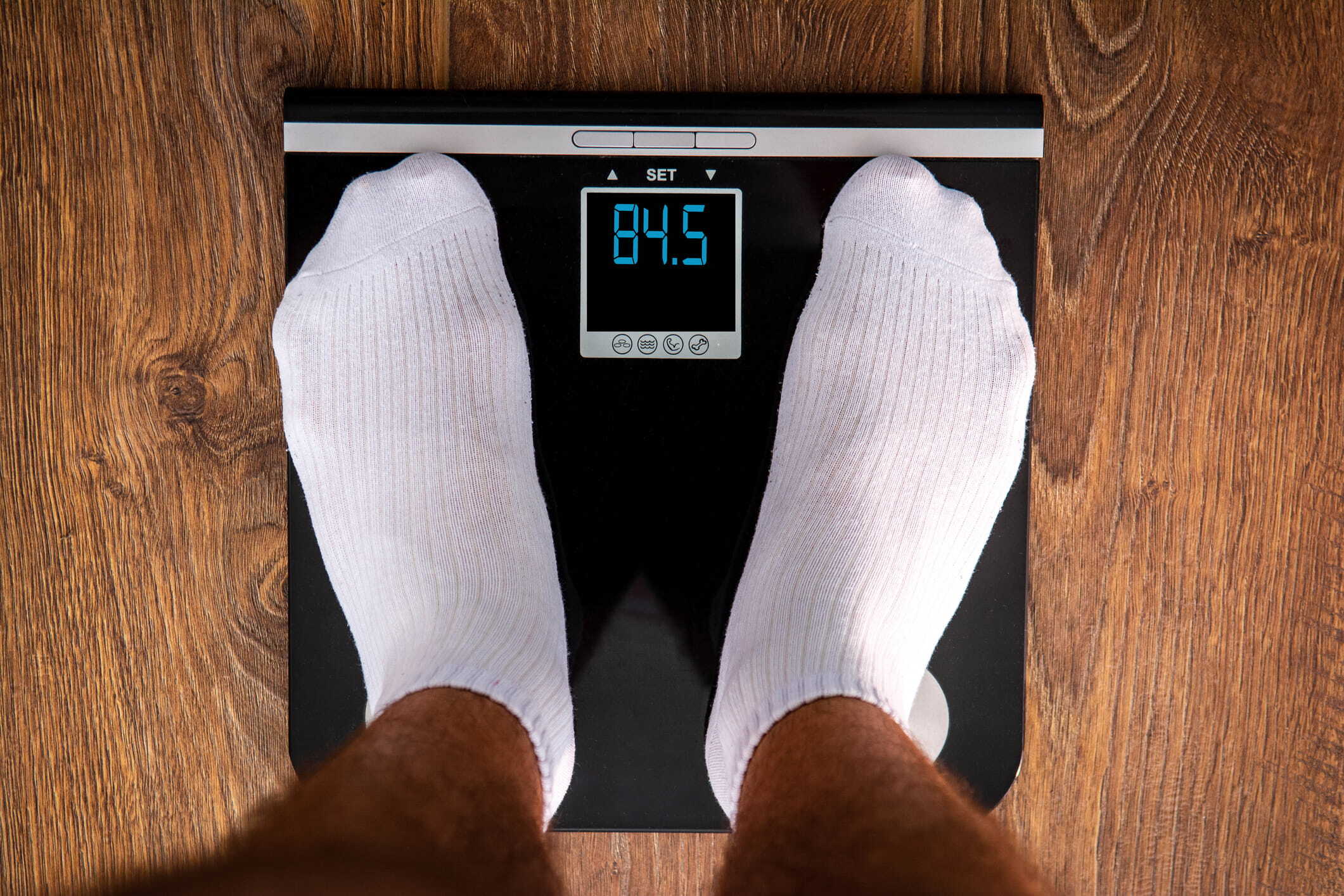
While blood pressure and glucose levels are often the focus of these programs, body weight is a critical metric that serves as a signal for several significant conditions.
When integrated effectively into a care management workflow, digital weight scales provide the timely, objective data needed to prevent downstream episodes and improve patient outcomes.
The Clinical Value of Weight Monitoring in Remote Patient Monitoring
Weight fluctuations are often a major sign of changing clinical status. For patients managing Congestive Heart Failure (CHF), for example, sudden weight gain can indicate fluid retention. This can be a precursor to a potential emergency department visit.
For those with similar chronic conditions, consistent weight tracking is essential for evaluating the efficacy of interventions, treatments and medications.
Weight data collected through remote monitoring provides:
- Proactive Intervention: Instead of waiting for a patient to report symptoms, care teams receive alerts when a reading falls outside of a predetermined range. This allows for immediate investigation and clinical outreach.
- Sustained Engagement: Regular use of a connected scale keeps the patient engaged in their care journey, reinforcing the connection between daily life and clinical guidance.
- Data Accuracy: Automated readings eliminate the possibility of potential errors associated with manual self-reporting, ensuring the care plan is based on reliable trends.
Bridging the Gap: The Remote Therapeutic Monitoring Angle
While weight is a vital sign central to RPM, it also plays a pivotal role in Remote Therapeutic Monitoring (RTM).
Though the two programs cannot be billed by the same clinician for the same patient in the same month, they often complement each other across a patient's long-term care journey.
For patients enrolled in RTM for a variety of chronic conditions, weight is often a primary factor in therapy adherence and outcomes. By using digital scales within an established care plan, providers can monitor:
- Health & Recovery: Tracking how weight reduction correlates with a patient’s reported pain levels or improved range of motion during physical therapy.
- Therapeutic Response: Using weight data as an objective metric to evaluate a patient's response to medical or nutritional interventions.
- Holistic Insights: Combining the empirically physiological data of RPM with the subjective, non-physiological data of RTM (such as medication adherence or pain scores) creates a more complete picture of the patient's progress.