Healthcare access in rural communities has long been a challenge—but innovative approaches with care management are changing that. In South Texas, where patients often face barriers like limited transportation, provider shortages, and high rates of chronic illness, care management is proving to be a lifeline.
Helping in this transformation is 2-G Consulting, a nurse-led care management company that is not only improving patient outcomes—but also redefining what’s possible for nurses looking to take control of their careers.
Through Medicare programs, like Chronic Care Management (CCM) and Remote Patient Monitoring (RPM), personalized care plans, and monthly check-ins, 2-G provides patients with the support they need—without the barriers of distance, transportation, or overwhelmed clinics. The result? Fewer ER visits, improved health outcomes, and a stronger sense of security for patients who know someone is always there for them.
This case study explores how a dedicated care team is bridging the healthcare gap—improving outcomes, reducing hospital visits, and delivering care with a human touch.
The Challenges of Rural Healthcare
For many patients in rural South Texas, accessing healthcare isn’t as simple as scheduling an appointment. Common challenges include:
- Limited access to hospitals and specialists
- Transportation barriers preventing patients from attending appointments
- Overwhelmed clinics focused on in-person care
- High prevalence of chronic conditions like diabetes and hypertension
In fact, many patients struggle to manage multiple conditions at once, often without consistent follow-up care. This can lead to worsening health, unnecessary emergency room visits, and avoidable hospitalizations.
2G Consulting: A Nurse-Led Approach to Better Care
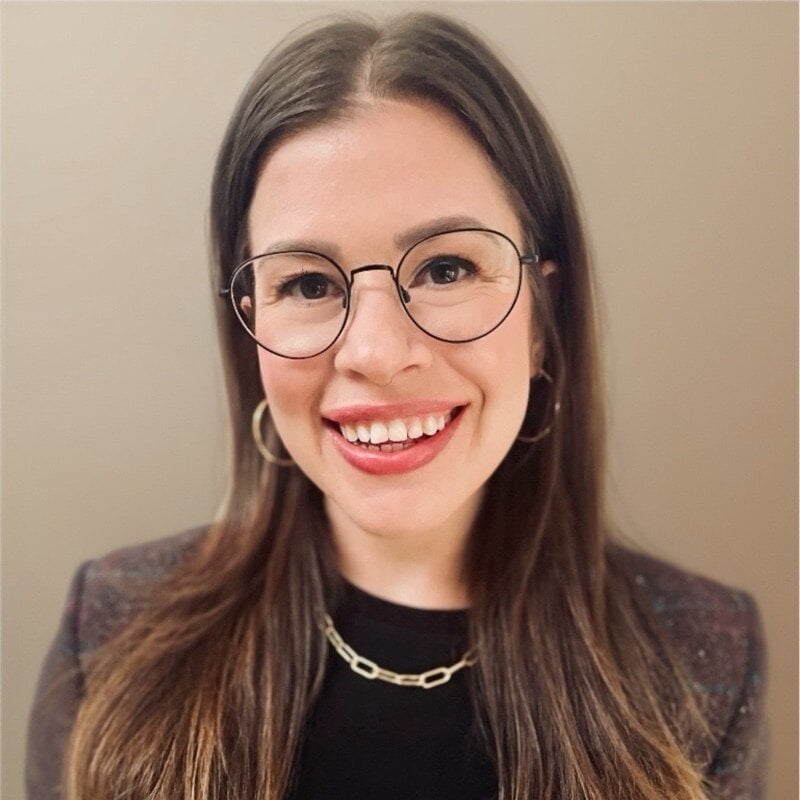
Founded by a nurse with decades of experience in rural healthcare, Misti Guenther built 2-G Consulting on a simple idea: healthcare should be delivered with heart.
"I wanted to do this because I wanted to do it the way healthcare should be; with heart."
- Misti Guenther, RN, Founder and President, 2-G Consulting
After years of seeing patients fall through the cracks, Misti recognized that traditional systems weren’t designed to support chronic care effectively—especially in underserved communities.
So she built something different.
Starting with her husband, 2-G Consulting has grown into a trusted partner for physician practices—helping them implement and scale CCM programs that truly support their patients.
What makes 2G Consulting different?
- Deep patient relationships: Care managers build trust through consistent, meaningful communication
- Proactive care: Patients are supported before issues become emergencies
- Comprehensive coordination: From appointments to prescriptions, nothing falls through the cracks
- Technology-enabled care: Leveraging and partnering with the leading care management platform ThoroughCare to track and manage patient needs
The result is a model that doesn’t just support providers—it extends their reach.
Bridging the Gap with Care Management
In rural settings, care management plays a critical role in filling the gaps left by traditional healthcare systems.
Patients who may otherwise fall through the cracks—due to distance, cost, or confusion—receive consistent outreach and support. Care managers act as a direct line of communication, helping patients:
- Navigate the healthcare system
- Access prescriptions and refills
- Stay on track with treatment plans
- Address concerns before they become emergencies
This proactive approach shifts healthcare from reactive to preventive.
What is Chronic Care Management (CCM)?
Chronic Care Management is a proactive, patient-centered approach designed to support individuals with two or more chronic conditions. Instead of relying solely on in-person visits, CCM provides ongoing care coordination between appointments.
Key components of CCM include:
- Personalized care plans tailored to each patient
- Monthly check-ins with care managers
- Medication management and adherence support
- Coordination of referrals and appointments
- Continuous patient education
This model ensures patients are supported every step of the way—not just when they visit a doctor.
- Yolanda Lopez, LVN, Clinical Lead, 2-G Consulting
The Power of Remote Patient Monitoring
One of the most impactful tools in CCM is Remote Patient Monitoring (RPM).
With RPM, patients can track vital health metrics—like blood pressure and blood sugar—from the comfort of their homes. This data is shared in real time with care teams, allowing for immediate intervention when needed.
Benefits of RPM include:
- Early detection of health issues
- Reduced need for in-person visits
- Timely adjustments to care plans
- Greater patient convenience and engagement
For patients with conditions like hypertension or diabetes, this continuous monitoring can be life-changing.
- Yolanda Lopez, LVN, Clinical Lead, 2-G Consulting
Real Results: Improved Outcomes and Fewer ER Visits
When patients are consistently supported, the results speak for themselves.
Through care management:
- Patients gain a better understanding of their conditions
- Medication adherence improves
- Blood pressure and blood sugar levels stabilize
- Emergency room visits decrease
- Hospitalizations are prevented
Patients also report feeling more confident and secure—knowing someone is actively looking out for their health.
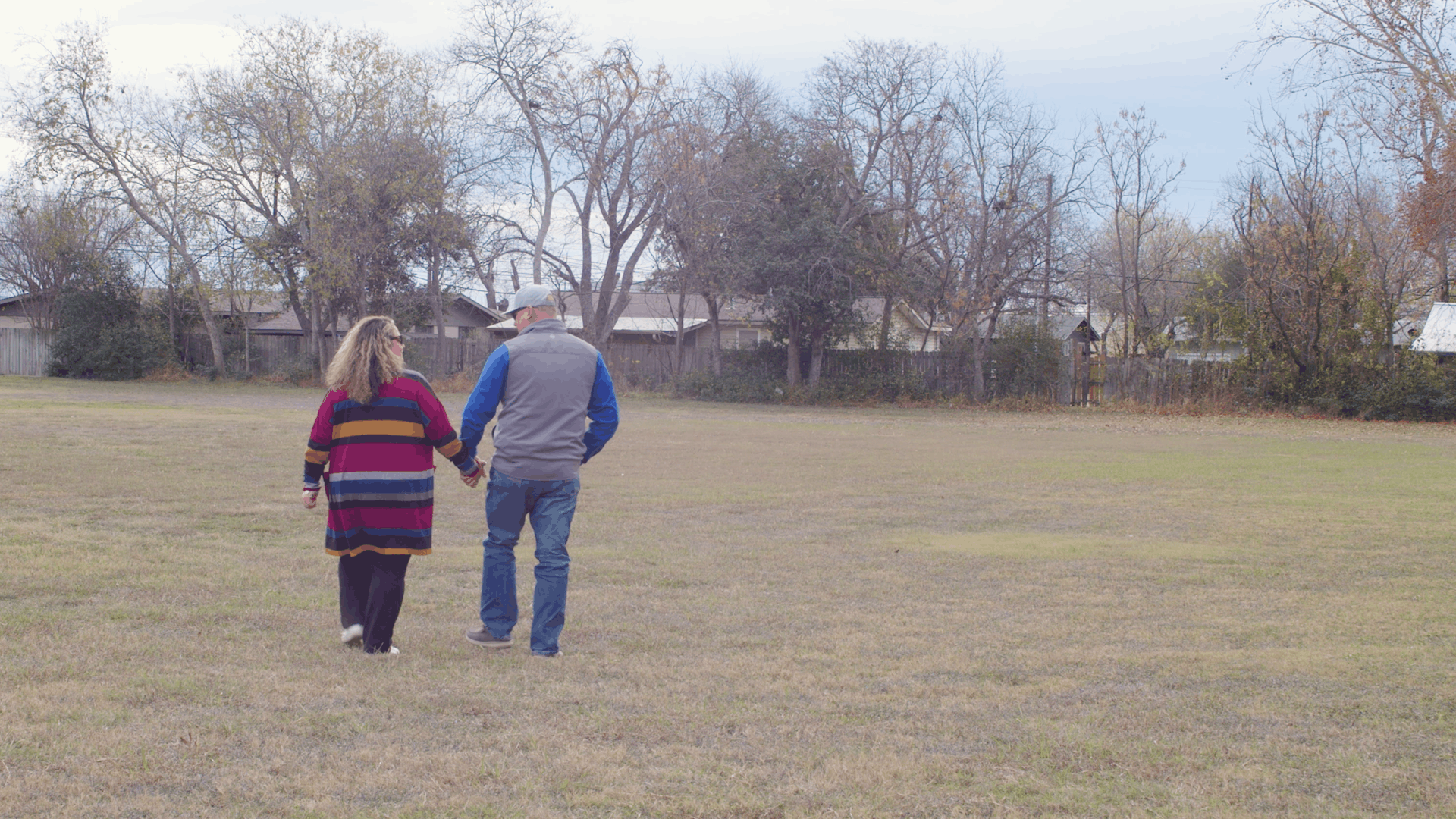
"I've been working with my care manager for two years and I don't know how I ever done without her. I think it's one of the biggest assets that have come from getting old is having the security that someone cares and someone's there to help you. She will see that I get a doctor visit or whatever I need. It keeps me out of the emergency room. I just feel that she is my asset to be able to manage myself."
- Betty, 86 year old 2-G Care Management Patient
The Human Element: Care “With Heart”
What truly sets this approach apart is the emphasis on relationships.
Care managers build trust with patients through regular communication, empathy, and personalized support. This connection encourages patients to be more open, more engaged, and more likely to follow their care plans.
- Yolanda Lopez, LVN, Clinical Lead, 2-G Consulting
For many, it’s the difference between feeling alone in their healthcare journey and having a trusted partner by their side.
Nurses Are Taking Healthcare Into Their Own Hands
One of the most powerful aspects of this story is the growing trend of nurses stepping beyond traditional roles and into leadership positions within care management.
For many nurses, bedside care—while meaningful—can be limiting. Long hours, burnout, and a reactive care model often leave little room for proactive, relationship-driven care.
Chronic Care Management offers a new path.
Why nurses are transitioning into CCM:
- Greater autonomy: Nurses can lead programs, make decisions, and directly impact patient outcomes
- Entrepreneurial opportunities: Many are launching or joining care management companies like 2G Consulting
- Better work-life balance: Remote and structured care models reduce burnout
- Deeper patient relationships: Ongoing communication fosters trust and long-term impact
- Focus on prevention: Nurses can intervene earlier and improve quality of life
This shift represents a broader evolution in healthcare—where nurses are no longer just participants in the system, but drivers of change.
A New Model for Rural Healthcare
Chronic Care Management is more than just a program—it’s a shift in how healthcare is delivered, especially in underserved areas.
By combining technology, personalized care, and consistent communication, CCM is:
- Closing gaps in access
- Improving long-term health outcomes
- Reducing strain on healthcare systems
- Empowering patients to take control of their health
Final Thoughts
Rural healthcare doesn’t have to mean limited care.
With the right systems in place, patients can receive high-quality, continuous support—no matter where they live. Chronic Care Management is proving that better care is possible when we focus on connection, consistency, and compassion.
As this case study shows, when healthcare is delivered “with heart,” it can truly transform lives.
