

Patient engagement is one of the biggest challenges healthcare organizations face when implementing effective care management programs. Even when patients are enrolled in a program and have personalized care plans, getting them to consistently participate and follow through with recommended interventions can be difficult.
For Prism Care, improving patient engagement required more than simply increasing outreach. It meant understanding what individual patients needed, identifying what motivated them, and using data to continually improve the care management process.
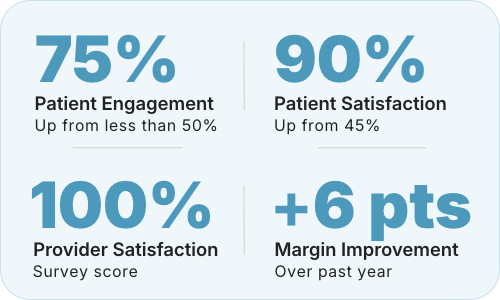
Through its partnership with ThoroughCare, Prism Care has increased its patient engagement rate from less than 50% to 75% by using patient data to create more personalized care plans and improve patient follow-through.
In a recent conversation, Kerry Brooks, CEO of Prism Care, explained how data-driven insights have helped the organization better understand patients, refine its care management strategies, and achieve engagement results that rank among the highest in the country.
How Data Helps Improve Patient Engagement
Patient engagement is about more than contacting patients regularly. Healthcare organizations must understand what patients need and develop care strategies that encourage meaningful participation.
According to Brooks, Prism Care initially had a patient engagement rate of less than 50%. By leveraging the data available through ThoroughCare, the organization has increased that rate to 75%.
A major factor behind this improvement has been the ability to capture and analyze a robust amount of patient information.
Rather than relying on a one-size-fits-all approach, Prism Care uses patient data to better understand the factors driving individual patient needs and preferences.
This information helps care teams:
- Better understand what individual patients are looking for.
- Identify patient needs and potential barriers to engagement.
- Develop personalized care plans that align with those needs.
- Determine which engagement strategies are producing results.
- Continuously refine care management approaches based on measurable data.
When healthcare organizations understand their patients more effectively, they can make more informed decisions about how to engage them.
Personalized Care Plans Create More Meaningful Patient Connections
Not every patient has the same healthcare needs, goals, or motivations. A care management strategy that works for one individual may not be effective for another.
This is why personalization is so important.
ThoroughCare gives Prism Care access to detailed patient data that helps its care teams understand what matters most to each individual. With these insights, care managers can better align personalized care plans with patient needs.
Instead of approaching every patient with the same interventions, care teams can use available information to develop more relevant care strategies.
This approach helps make care management more meaningful for patients because their care plans are connected to their individual circumstances and goals.
Personalized care planning can also help healthcare organizations improve communication, strengthen patient relationships, and encourage greater participation in ongoing care management programs.
Using Data to Overcome the Patient Follow-Through Challenge
Developing a personalized care plan is an important first step, but getting patients to follow through is often the more difficult challenge.
As Brooks explained, follow-through has consistently been one of the biggest obstacles to improving patient engagement.
Healthcare organizations may have the right care plans and interventions in place, but they still need to determine whether those strategies are actually working.
This is where data analytics becomes especially valuable.
Through ThoroughCare, Prism Care can evaluate patient engagement and identify which approaches are producing positive results. The organization can then use those insights to make adjustments and improve its processes.
Brooks emphasized that Prism Care has continued to improve through trial and error, using the data available through ThoroughCare to understand what works and what doesn't.
This creates an ongoing improvement process:
- Capture patient data: Collect meaningful information about patient needs, engagement, and care management activities.
- Identify opportunities: Analyze the information to understand where patients may need additional support.
- Personalize care plans: Match interventions and care strategies to individual patient needs.
- Measure results: Evaluate whether patients are engaging with their care plans and following through.
- Refine the approach: Use performance insights to adjust strategies and improve future engagement.
By continuously evaluating results, healthcare organizations can move beyond simply tracking patient interactions and begin understanding the effectiveness of their engagement strategies.
Achieving a 75% Patient Engagement Rate
For Prism Care, the results of this data-driven approach have been significant.
The organization increased its patient engagement rate from less than 50% to 75%. According to Brooks, this is one of the highest patient engagement rates in the country.
Prism Care's Patient Engagement Improvement
This improvement demonstrates the value of combining patient data, personalized care planning, and ongoing performance measurement.
Rather than treating patient engagement as a fixed metric, Prism Care uses data to understand opportunities for improvement and continually strengthen its approach.
How ThoroughCare Supports Data-Driven Care Management
Technology plays an important role in helping healthcare organizations manage patient populations and improve care coordination.
ThoroughCare provides care management software that helps organizations capture patient information, organize care activities, develop personalized care plans, and monitor program performance.
For organizations like Prism Care, access to robust patient data helps care teams make more informed decisions throughout the care management process.
The ability to evaluate what's working and what isn't also helps leadership identify opportunities to improve operational processes and patient outcomes.
By bringing patient information and care management activities together, ThoroughCare helps organizations build a more connected, measurable approach to patient care.
Frequently Asked Questions About Patient Engagement and Data-Driven Care Management
How can healthcare organizations improve patient engagement?
Healthcare organizations can improve patient engagement by understanding individual patient needs, creating personalized care plans, maintaining consistent communication, and measuring the effectiveness of their engagement strategies. Patient data and analytics can help care teams identify barriers to participation and determine which interventions are most effective.
How does patient data improve care management?
Patient data helps care management teams understand individual health needs, identify engagement patterns, and develop personalized interventions. It also allows organizations to measure program performance and make adjustments based on actual results.
Why is patient follow-through important in care management?
Patient follow-through is essential because creating a care plan does not guarantee that patients will participate in recommended activities. Consistent engagement helps care teams support patients in working toward their health goals and addressing ongoing healthcare needs.
What is a good patient engagement rate for a care management program?
Patient engagement rates can vary depending on the program, patient population, and how engagement is measured. Prism Care reported increasing its patient engagement rate from less than 50% to 75% through data-driven improvements and personalized care planning. Its CEO described this as one of the highest engagement rates in the country.
How does care management software support patient engagement?
Care management software helps organizations centralize patient information, organize care plans, track interactions, and evaluate program performance. These capabilities allow care teams to better understand patient needs, coordinate interventions, and identify opportunities to improve engagement.
Building Better Patient Engagement Through Data and Personalization
Improving patient engagement requires more than increasing the number of patient interactions. Healthcare organizations need to understand what patients need, develop care strategies that reflect those needs, and continually evaluate whether their efforts are successful.
Prism Care's increase in patient engagement from less than 50% to 75% highlights how data-driven care management can help organizations address these challenges.
By leveraging ThoroughCare's ability to capture and organize patient data, Prism Care has been able to better understand its patients, personalize care plans, and continuously improve its engagement strategies.
As healthcare organizations continue to focus on patient-centered care and value-based outcomes, having the right technology and data insights will remain essential to building more effective care management programs.