
Managing chronic conditions in long-term care and skilled nursing facilities presents unique challenges. Many residents are living with multiple chronic illnesses that require ongoing monitoring, coordinated interventions, and proactive care planning. Without a structured approach, these complex conditions can lead to frequent exacerbations, hospitalizations, and declining quality of life.
Coordinated Care Plans Help Residents with Complex Chronic Conditions Live Healthier Lives
To address these challenges, healthcare organizations, like Lumina Care, are increasingly turning to Chronic Care Management (CCM) programs supported by specialized care management technology. By combining personalized care plans, interdisciplinary collaboration, and ongoing patient engagement, providers can improve outcomes while ensuring residents receive the comprehensive care they need.
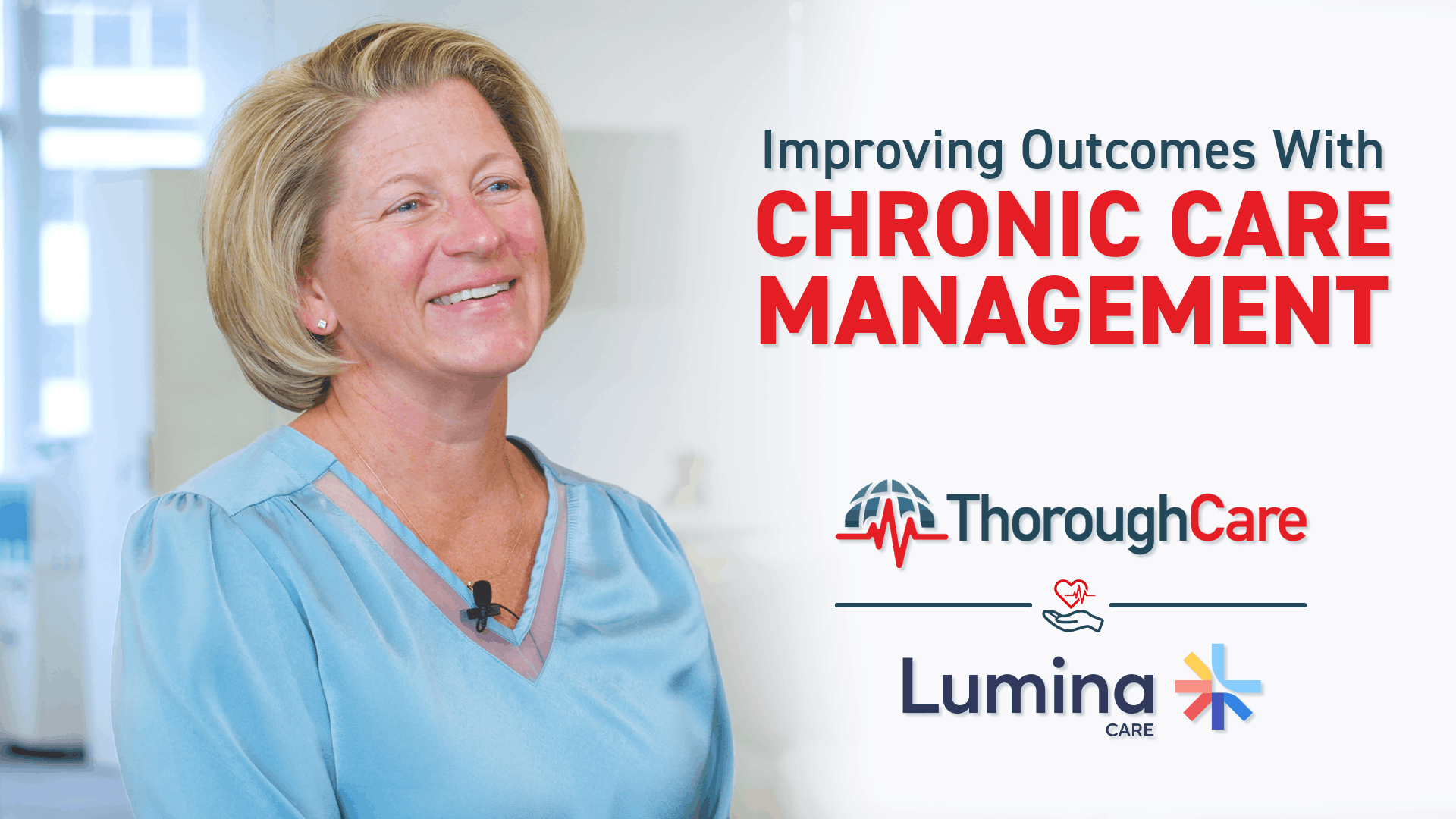
Lumina Care manages over 25,000 nursing home residents through ThoroughCare’s Chronic Care Management platform.
The Growing Need for Chronic Care Management in Long-Term Care
Residents in skilled nursing facilities often have multiple chronic conditions that require continuous oversight and coordinated treatment plans. Common conditions include:
- Congestive Heart Failure (CHF)
- Chronic Obstructive Pulmonary Disease (COPD)
- Diabetes with complications
- Hypertension
- Chronic kidney disease
- Multiple coexisting chronic illnesses
These residents frequently interact with physicians, nurses, care managers, specialists, and facility staff. Without a unified care plan, communication gaps can emerge, making it difficult to keep everyone aligned on treatment goals and interventions.
Chronic Care Management helps solve this problem by creating a structured framework for ongoing care coordination.
How Personalized Care Plans Drive Better Outcomes
One of the most important components of an effective CCM program is the development of individualized care plans.
When providers identify residents who qualify for Chronic Care Management services, they can create targeted care plans that address each patient's most significant health challenges. Rather than taking a one-size-fits-all approach, these plans focus on the specific conditions affecting each resident.
For example, a resident with congestive heart failure and COPD may require different interventions, monitoring protocols, and health goals than a resident managing diabetes and hypertension.
Personalized care plans help care teams:
- Establish measurable health goals
- Prioritize interventions for high-risk conditions
- Improve communication across providers
- Track patient progress over time
- Identify potential complications before they become acute events
This structured approach ensures every member of the care team understands the resident's needs and the actions required to support improved health outcomes.
Improving Care Coordination Across the Entire Care Team
Care coordination is often one of the biggest challenges in long-term care settings.
Residents may receive services from multiple providers, creating opportunities for fragmented communication and inconsistent care delivery. Chronic Care Management programs help align everyone involved in a resident's care through shared care plans and documented goals.
When physicians, nurses, care managers, facility staff, and family caregivers have visibility into a resident's care plan, they can work together more effectively to:
- Monitor symptoms
- Adjust treatment plans
- Reinforce care goals
- Address emerging health concerns quickly
- Reduce duplication of services
This collaborative approach creates a more cohesive care experience and supports better clinical outcomes.
Reducing Acute Episodes and Chronic Disease Exacerbations
A major objective of Chronic Care Management is preventing avoidable health crises.
Residents with chronic illnesses often experience acute episodes that result in emergency department visits, hospital admissions, or worsening disease progression. Through ongoing monitoring and proactive intervention, CCM programs help identify risks before they become serious complications.
Organizations implementing comprehensive care management programs frequently see improvements such as:
- Fewer COPD exacerbations
- Better management of congestive heart failure symptoms
- Improved diabetes control
- Reduced hospitalizations
- Lower emergency department utilization
- Enhanced quality of life for residents
By focusing on prevention rather than reaction, care teams can help residents maintain greater stability and independence.
The Role of Technology in Chronic Care Management
Modern care management platforms make it easier for providers to deliver effective CCM services at scale.
Technology supports care teams by helping them:
- Identify eligible patients
- Create personalized care plans
- Document care management activities
- Track progress toward goals
- Coordinate communication among providers
- Measure clinical outcomes
These capabilities allow healthcare organizations to deliver more consistent, efficient, and patient-centered care while meeting program requirements and improving operational performance.
Supporting Better Outcomes in Skilled Nursing Facilities
As the population ages and chronic disease prevalence continues to rise, effective Chronic Care Management will become increasingly important across long-term care settings.
By combining personalized care plans, coordinated care delivery, and technology-enabled workflows, providers can help residents better manage complex conditions while reducing avoidable acute episodes.
The result is a more proactive approach to healthcare—one that supports healthier residents, stronger provider collaboration, and improved outcomes across skilled nursing facilities.
Organizations that prioritize Chronic Care Management are not only improving care quality today but also building a foundation for more sustainable, value-based care in the future.
Frequently Asked Questions
What is Chronic Care Management (CCM)?
Chronic Care Management is a Medicare-supported program designed to help patients with two or more chronic conditions receive ongoing care coordination, monitoring, and support between office visits.
Who qualifies for Chronic Care Management?
Patients with two or more chronic conditions expected to last at least 12 months—or until the end of life—and that place them at significant risk of health decline typically qualify for CCM services.
How does CCM benefit skilled nursing facility residents?
CCM helps residents receive coordinated, proactive care that reduces acute episodes, improves chronic disease management, and aligns care teams around shared treatment goals.
Can Chronic Care Management reduce hospitalizations?
Yes. By identifying risks early and implementing proactive interventions, CCM programs can help reduce preventable hospital admissions and emergency department visits.
Why are care plans important in Chronic Care Management?
Care plans provide a roadmap for treatment, establish measurable goals, improve communication among providers, and help ensure everyone involved in a patient's care is working toward the same outcomes.